Manufactured and natural thin stone
Stone Veneer Installation in Eau Claire, WI
Stone on a house front, a wainscot, porch columns or a fireplace, set over a wall that is built to drain. Repairs and re-dos for veneer that is coming loose.
Serving Eau Claire, Altoona, Chippewa Falls, Lake Hallie, Menomonie, Fall Creek and the surrounding Chippewa Valley
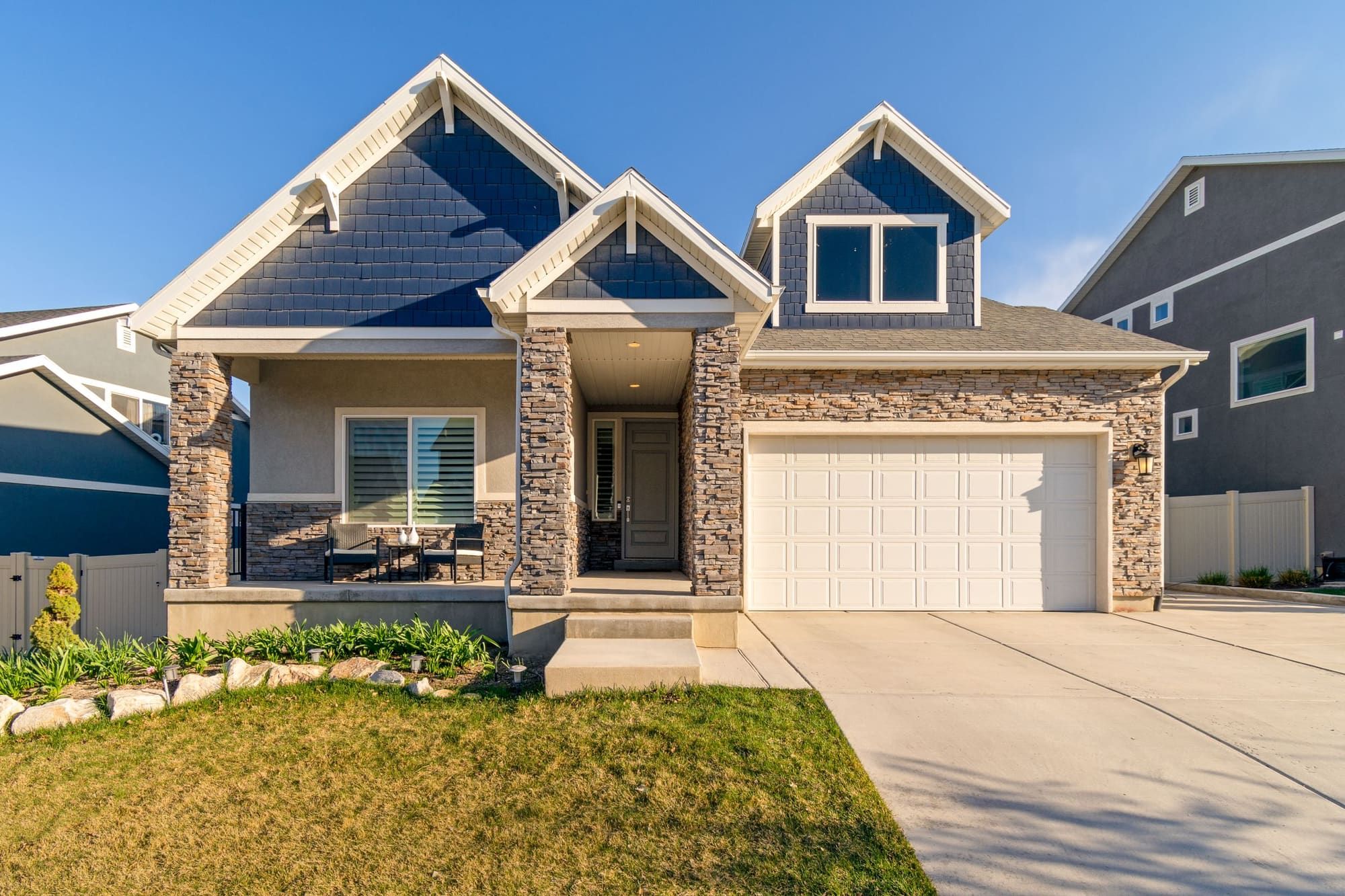
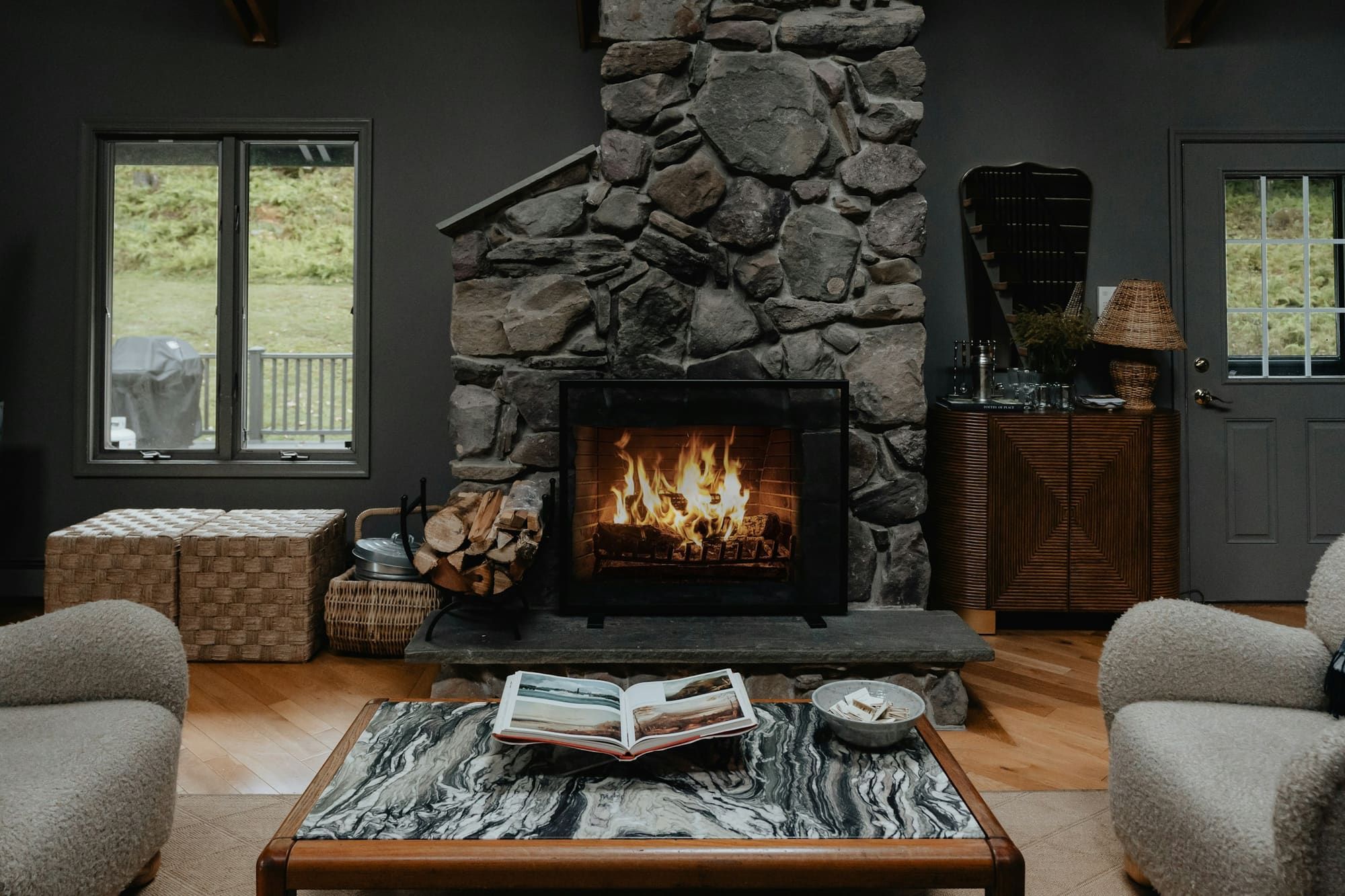
Stone Veneer Installation for Eau Claire Homes
Stone veneer is a layer of stone one to two inches thick, mortared to a wall that carries the load. It is how nearly all the stone on houses built in the last few decades got there, on the newer streets at the edges of Eau Claire as much as anywhere. Done right it looks like a stone wall and lasts like masonry. Done wrong it is one of the more common hidden water problems on a newer home.
These are the places we install it.
- Wainscots. The band of stone along the bottom of a front wall, usually up to the window sills. It is the most common job and the one that sits closest to snow and soil.
- Entries and porch columns. Stone around the front door and on column bases. Small areas, lots of corners, so layout matters more than speed.
- Gables and full fronts. Bigger walls where the pattern is seen from the street. Stone gets blended from several boxes so color does not land in patches.
- Chimney chases. Framed chases wrapped in stone need the same flashing at the roof as a brick chimney. The roofline details are on the chimney flashing and crown repair page.
- Fireplaces and interior walls. Indoors there is no rain to manage, but there is heat. Clearances around the firebox opening are covered on the masonry fireplace repair and refacing page.
- Exposed foundation. Stone over a concrete or block foundation wall bonds straight to clean masonry, with no framing behind it to rot.
Cultured Stone vs. Natural Thin Stone Veneer
Both go on the same way and both are a legitimate choice. The difference is in what you see up close, what a chip looks like in ten years, and the price of the stone.
| Manufactured (cultured) stone | Natural thin stone | |
|---|---|---|
| What it is | Lightweight concrete cast in molds taken from real stones, colored with mineral pigments | Quarried stone sawn to about an inch thick |
| Color | In the face and partway in. A deep chip shows gray concrete | All the way through. A chip still looks like stone |
| Sun and time | Good products hold color well, but they can lighten over decades | Weathers the way the stone always has |
| Shapes | Repeats. Molds come from a limited set of stones, so pieces have to be mixed and turned | Every piece is different. More cutting and fitting on site |
| Corners | Formed L-shaped corner pieces | Sawn corner pieces, or full stones at the corners |
| Water | More absorbent. Depends heavily on clearances and drainage | Varies by stone. Dense stone takes on very little |
| Cost | Lower for the stone and quicker to lay | Higher for the stone and slower to lay |
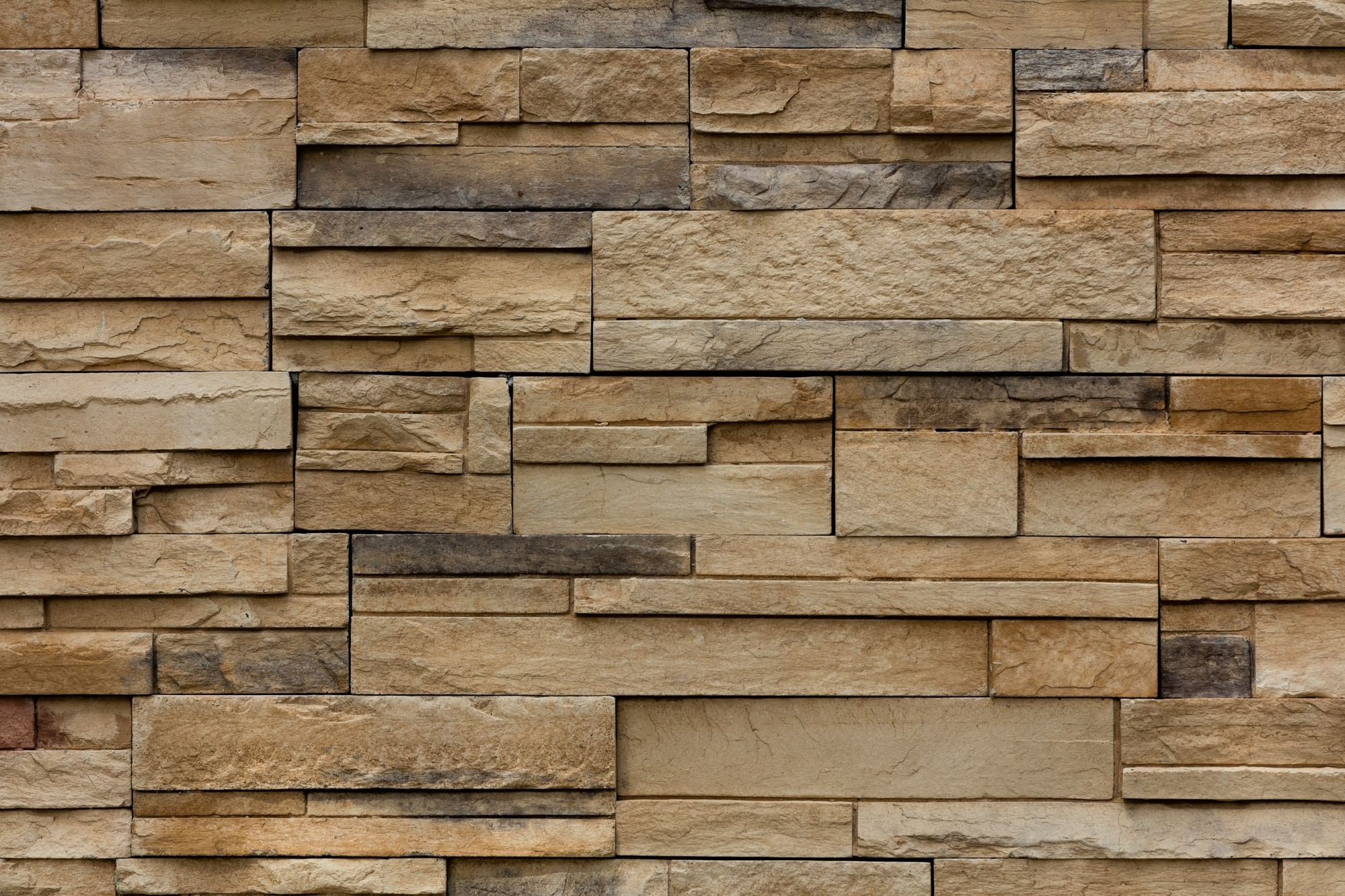
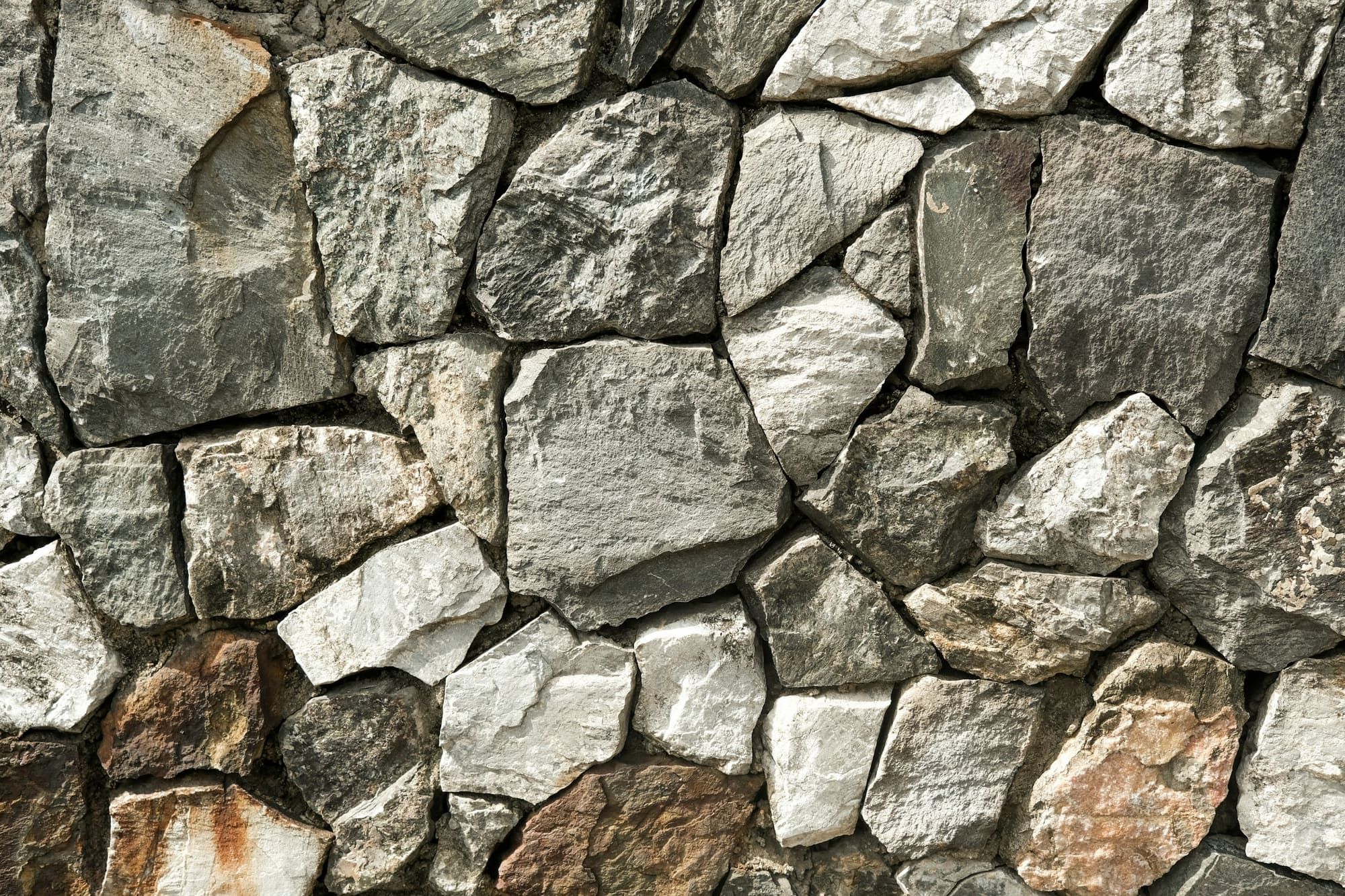
Which one we would put on your house
For a wainscot and an entry on a budget, good manufactured stone is hard to fault, and from the street most people cannot tell. If the stone will be at eye level beside the front door, around a fireplace you sit next to, or anywhere it will get knocked by a shovel or a mower, natural stone earns its price, because damage does not show as gray concrete.
Real stone has a long record here. The sandstone-walled baseball stadium in Carson Park was built as a Works Progress Administration project in the 1930s with stone quarried at Downsville, and its walls have stood through every winter since. Sandstone, limestone and granite all come as thin veneer, and we can bring samples of what regional suppliers stock.
One more term: faux stone. Most people mean manufactured stone. Some products sold under that name are molded foam or plastic panels that screw to the wall. Those are siding, and we don't install them.
Why Stone Veneer Fails: The Drainage Plane, Weep Screed and Clearances
Stone and mortar are not waterproof. Rain soaks through the joints of any veneer wall, and Eau Claire's climate normals show about 33 inches of precipitation in a typical year. A veneer wall is built assuming water gets behind the stone, with a path for it to run down and out. When that path is missing, the water goes into the sheathing and the framing instead, and nothing shows on the outside for years.
Over a wood-framed wall, these are the layers from the sheathing out. Each one is in the stone manufacturers' installation guides, and each one gets skipped on rushed jobs.
The first five are also how a stucco wall starts, which is why a stone wainscot with stucco above it is one job and not two. The stucco half is on our stucco siding installation page.
-
Two layers of water-resistive barrier
Building paper or house wrap, lapped like shingles. The outer layer takes the mortar and is sacrificial. The inner one stays clean and is the real drainage plane.
-
Weep screed at the bottom
A perforated metal edge where water that gets behind the stone can drain out. Both barrier layers lap over its flange. Without it, water sits at the bottom plate of the wall.
-
Flashing at every interruption
Head flashing over windows and doors, kickout flashing where a roof edge dies into the stone wall, and a sealant joint where stone meets trim.
-
Galvanized lath, fastened to the studs
Metal lath is what holds the weight. It is fastened into framing, not just sheathing, and wrapped around corners without a seam.
-
Scratch coat
About half an inch of mortar that buries the lath completely, raked rough and given time to cure before stone goes on.
-
Stone set in a full bed of mortar
The back of every stone is fully buttered and pressed in until mortar squeezes out around it. Stones stuck on with a few dabs are the ones that fall off.
Building or Re-Siding? Call Before the Siding Goes On
The cheapest moment to get stone veneer right is before anything else is on the wall. The weep screed height, the window flashing and the laps in the house wrap are all set by whoever gets there first, and cutting them in afterward costs more than doing them in order.
If you are building, or replacing siding next year, bring us in while the wall is still open. We work alongside your builder or siding contractor.
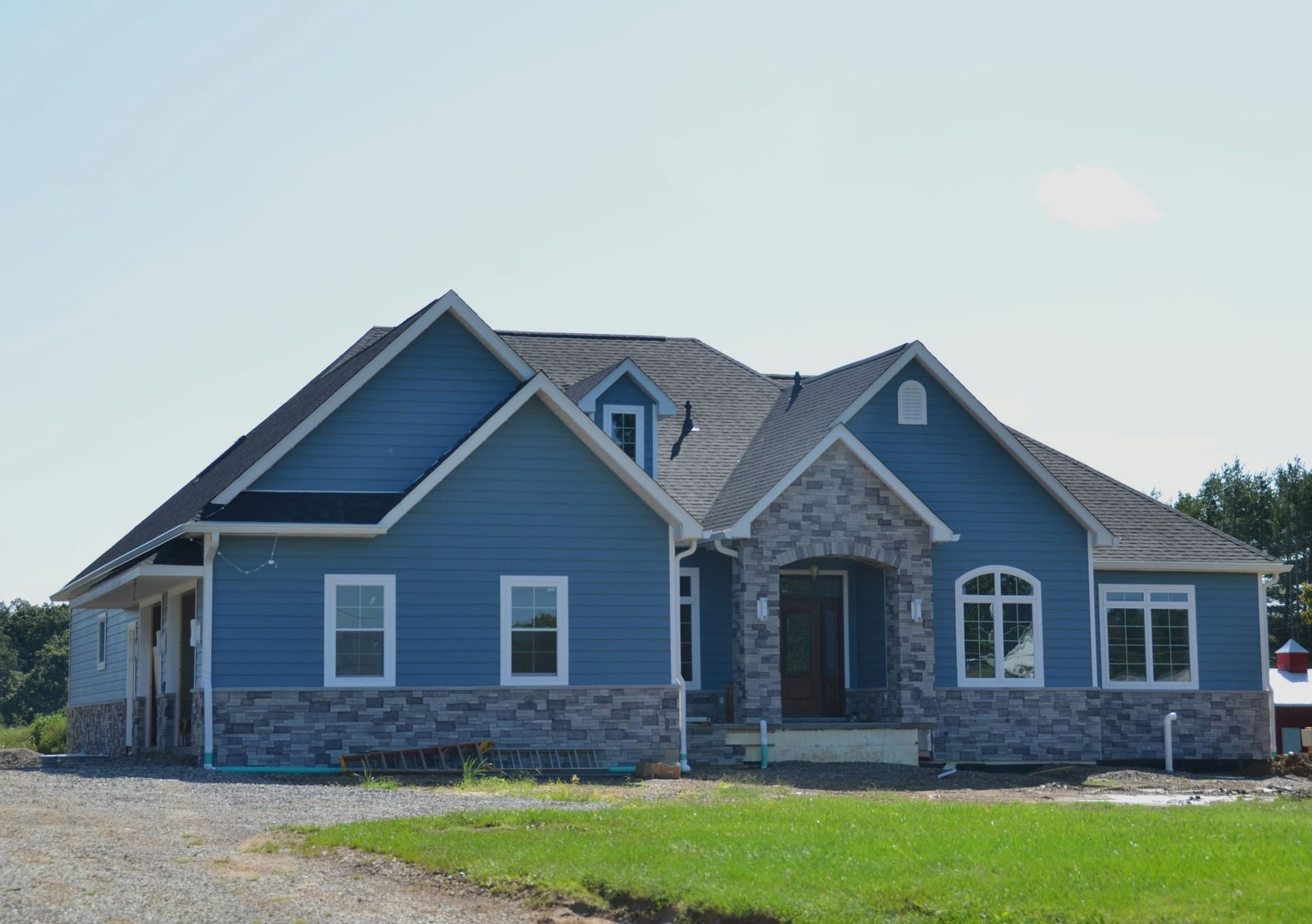
Stone Veneer Repair and Replacement
A loose stone is either a one-stone problem or the first sign of a wall problem. The difference is whether water has been getting out from behind the veneer.
Usually a repair
- A few stones popped off cleanly, with a dry, solid scratch coat behind them. That is a bond failure. The stones are cleaned and reset in a full mortar bed.
- Cracked or missing mortar joints on a grouted wall that is otherwise tight. Joints get raked out and repointed.
- White staining that brushes off. Efflorescence is common in the first year or two as new mortar dries out.
- A chipped or broken stone. It is cut out and replaced. Matching an older manufactured stone can take some hunting, since patterns get discontinued.
Often a tear-off
- Stone and scratch coat coming off together, with rusted lath or dark, soft sheathing behind.
- No weep screed, and stone running into the soil or tight to a concrete stoop.
- Staining that keeps returning below windows or where a roof edge meets the wall, which points to missing flashing.
- Musty smell, stained drywall or soft trim on the inside of a stone-covered wall.
Here is the part nobody likes to hear: when the drainage layers are missing, there is no way to add them from the outside. The stone has to come off, at least in the affected area, so the sheathing can be checked, any rot replaced and the wall rebuilt in the right order. Sealing the face of a wall like that slows the water going in and stops the wall drying, which makes the rot worse.
We find out which case you have by opening a small area at the bottom of the wall and looking, before anyone prices a full removal. If the sheathing is sound and the problem is local, you get a repair price. If framing is rotted, a carpenter needs to be part of the job, and we will say so.
Stone Veneer Cost in Eau Claire
These are national figures from HomeAdvisor's stone veneer cost guide: typical ranges, not quotes. They are built around whole walls of siding, so read them as a floor for small accent jobs.
| Item | Typical range | Notes |
|---|---|---|
| Stone veneer, installed | $13–$22 per sq ft | Materials and labor together, as HomeAdvisor reports it for whole-wall siding jobs. |
| Manufactured stone, material only | $5–$8 per sq ft | Faux stone products are listed at $6–$9, mortarless veneer at $6–$10. |
| Installation labor | $2–$4 per sq ft | The guide’s figure for laying stone. Wall prep, corners and height sit on top of it. |
| Typical whole-house project | $13,000–$22,000 | Average $16,000. A wainscot or an entry is a fraction of the area and a fraction of this. |
Source: HomeAdvisor, stone veneer siding cost guide (updated June 19, 2026). National ranges, checked October 2026. The guide does not give a separate installed price for natural thin veneer, so we don't print one. Expect the stone itself to cost more than manufactured.
What moves the price
Corners, because corner pieces are sold by the linear foot and cost more than flats. Height, once scaffolding is involved. The stone you pick. And what the wall needs first: bare block is ready to go, while a sided wall has to be stripped and rebuilt with barrier, flashing and lath.
Where a low bid saves its money
Almost always behind the stone, where you can't see it: one layer of house wrap, no weep screed, lath stapled to sheathing, stone run to the ground to hide the missing screed. Ask any installer, us included, to describe what goes on the wall before the stone does.
Stone Veneer Questions Eau Claire Homeowners Ask
About cultured stone, faux stone, winters and permits.
How much does stone veneer cost in Eau Claire?
HomeAdvisor's national cost guide says most homeowners spend roughly $13 to $22 per square foot for stone veneer, materials and labor together, with manufactured stone itself at $5 to $8 per square foot. Those are national figures for large walls. Small jobs with many corners, like an entry or a pair of columns, run higher per square foot because setup and cutting do not shrink with the area.
Is cultured stone the same as stone veneer?
Cultured stone is one kind of stone veneer. It began as a brand name and is now used for any manufactured stone: lightweight concrete cast in molds and colored to look like stone. Faux stone usually means the same thing, though some products sold as faux stone are foam or plastic panels, which are siding and not masonry. Natural thin veneer is real stone sawn thin. We install manufactured and natural stone, not foam panels.
Does manufactured stone hold up to Wisconsin winters?
It does when it is kept out of the soil and has a way to drain. Manufactured stone absorbs water, so the failures here are nearly always at the bottom of a wall where stone was run down to the ground, or where snow is piled against it all winter with no weep screed behind. Installed with the right clearances over a proper drainage plane, it handles freeze-thaw. Buried in mulch, it does not.
Can stone veneer go over brick, block or concrete?
Yes, if the masonry is clean, sound and unpainted. Stone bonds directly to bare concrete, block or brick with a scratch coat and no framing behind it to protect. Painted or sealed masonry is different: mortar will not bond to paint, so the wall needs lath fastened to it or the coating removed first. Stone should never go straight over wood siding or bare sheathing.
Can you install stone veneer in winter?
Indoors, yes. Fireplace surrounds and interior walls can be done any month. Outdoors, Wisconsin's dwelling code calls for cold-weather masonry procedures whenever the air temperature is below 40°F, which means a heated enclosure for as long as the mortar cures. That is practical on a small entry and expensive on a whole front, so most exterior stone here is set between spring and late fall.
Do I need a permit to add stone veneer to my house in Eau Claire?
It depends on the job. The City of Eau Claire's Inspections Division says a building permit is generally needed when a building is altered or sided, but its published guidance does not mention stone veneer by name. We check with Inspections for your address before starting an exterior job. On a new house the veneer is normally covered by the builder's permit.
Are you stone masons, or do you only install veneer?
We do stone mason work on buildings: natural thin veneer and manufactured stone on walls, columns, chimneys and fireplaces, and repointing of stone walls and fieldstone foundations. We do not build retaining walls, lay flagstone patios or install pavers, so for landscape stonework you want a hardscape contractor.
Get a Free Stone Veneer Estimate
Tell us where the stone is going, or what your existing veneer is doing. A photo of the whole wall and one of the bottom edge where it meets the ground tells us most of what we need before a visit.
- We measure the wall and count the corners
- You see samples of manufactured and natural stone
- The written estimate lists what goes behind the stone, not just the stone
Get a Free Estimate
Tell us what's going on with the masonry or stucco. Prefer to talk? Call or text (715) 597-4359.
Thanks, we have your request.
We'll be in touch about your estimate. If it's easier, text photos of the job to (715) 597-4359.
Masonry Services That Go With Stone Veneer
-
Masonry Fireplace Repair
Refacing a fireplace in stone starts with a sound firebox and the right clearances.
-
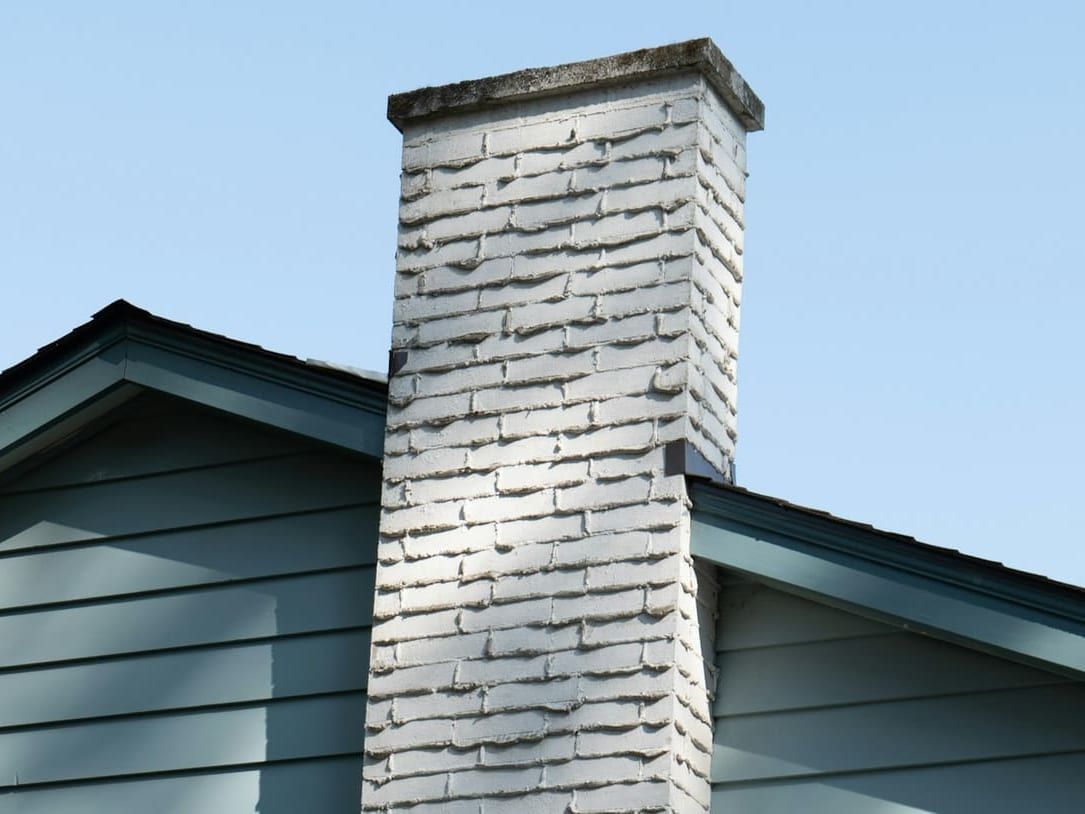
Chimney Repair
Stone chimneys and stone-wrapped chases leak at the same places brick ones do.
-
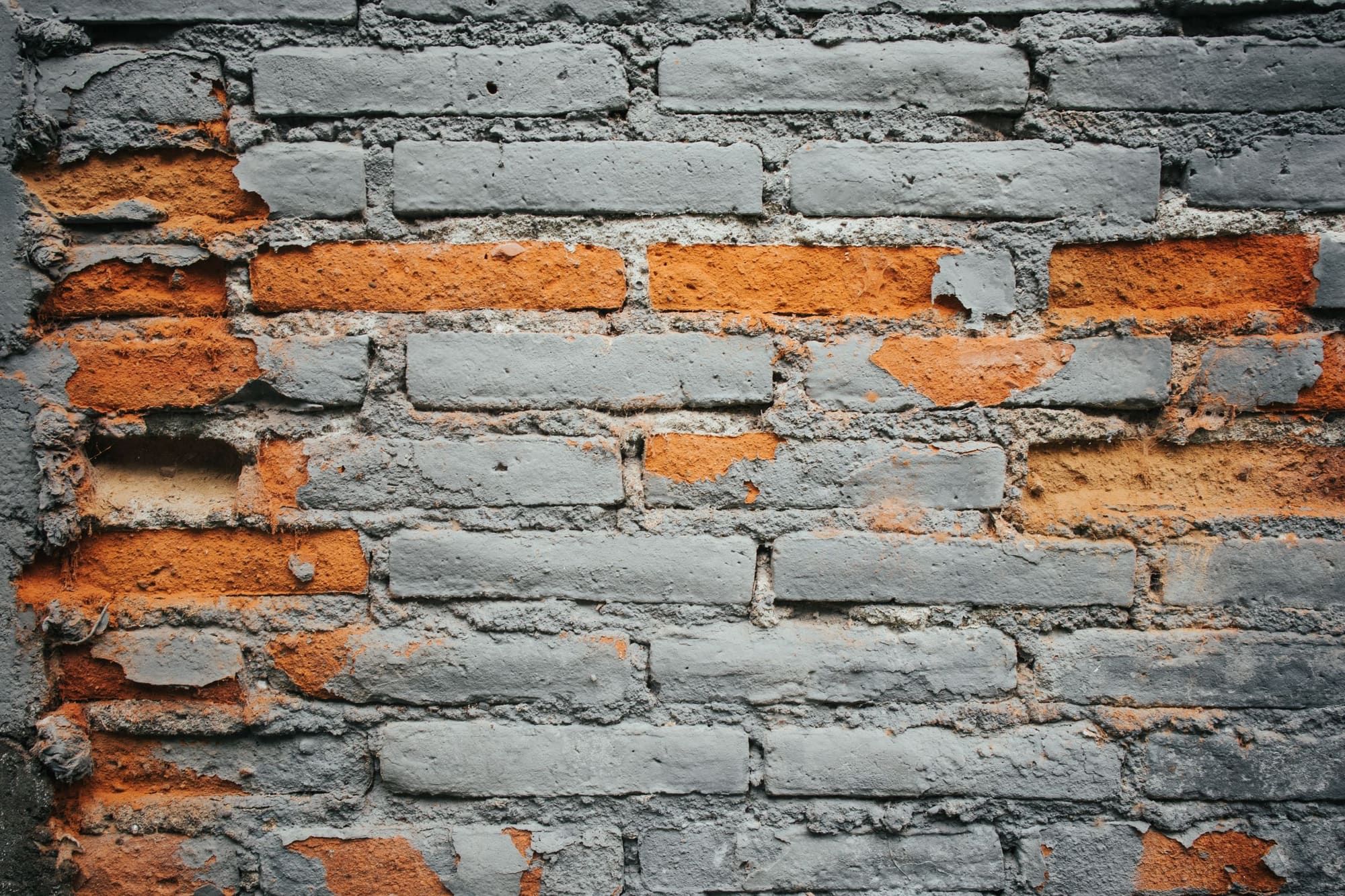
Brick Repair & Restoration
Brick and stone often share a front wall, and repairs to one should match the other.
Planning Stone, or Worried About the Stone You Have?
Text a photo of the wall, or of the plans if nothing is built yet. You can also write from the contact page. Everything else we build and repair is on the Eau Claire masonry contractor home page.