Brick, stone, chimneys and foundations
Tuckpointing in Eau Claire, WI
Worn mortar joints cut out to a proper depth and repointed with mortar matched to your brick or stone. Free written estimates, and an honest answer if the wall can wait.
Serving Eau Claire, Altoona, Chippewa Falls, Lake Hallie, Menomonie, Fall Creek and the surrounding Chippewa Valley
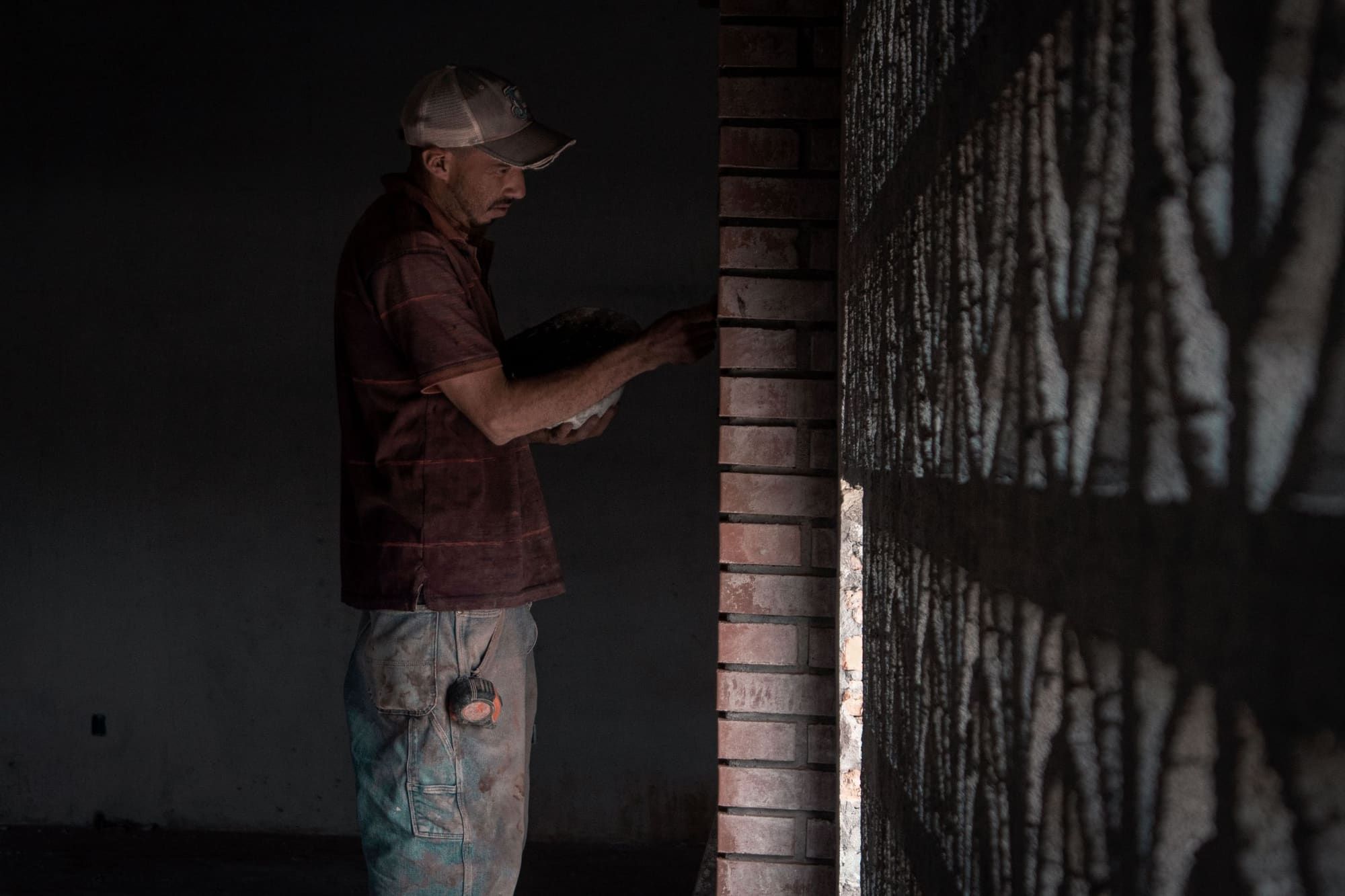
Tuckpointing and Repointing Brick in Eau Claire
Mortar is the part of a brick wall that is meant to wear out. It is softer than the brick on purpose, so that weather and movement use up the joints and leave the brick alone.
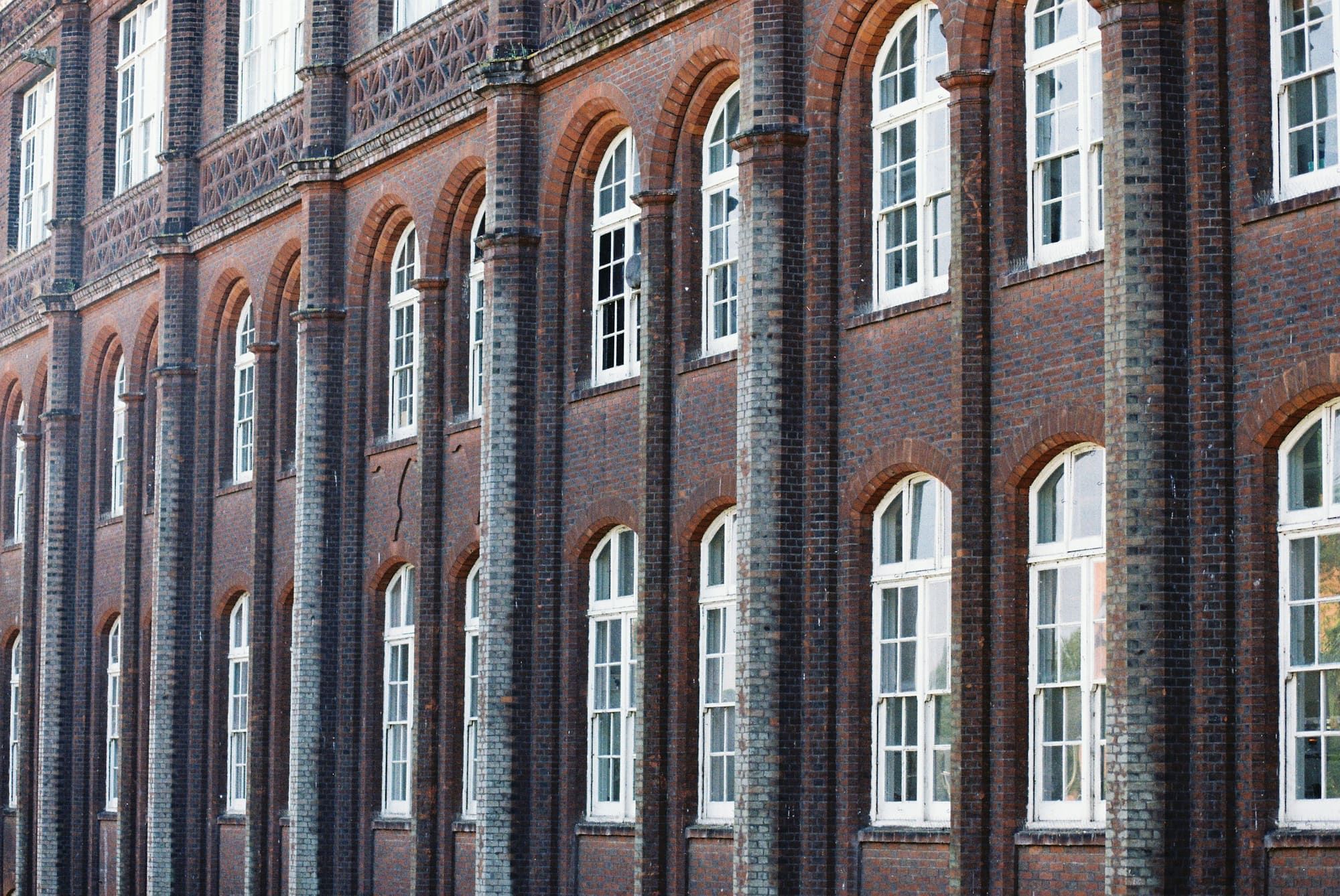
Tuckpointing brickwork means renewing those joints: cutting out the weathered outer portion and packing in new mortar. Done on time, it is the only major maintenance a brick wall needs. The contributing buildings in the Water Street Historic District went up between 1882 and 1885, and the Third Ward's houses date from 1870 to 1910. Brick that old has outlived its first mortar, and sometimes its second.
It is a repair to the joints only. If brick faces are popping off or bricks are loose, that is brick repair and replacement, and it has to happen first.
- Repointing
- Removing failed mortar from the joints and replacing it with new. This is the repair itself, and the term preservation guides use.
- Tuckpointing
- Strictly, a decorative finish: a fine raised line of mortar laid over flush joints. In practice it is what most people here call repointing.
- What to ask instead
- Whichever word is on the estimate, ask how deep the joints will be cut and what mortar goes back. Those two answers are the job.
Signs Your Mortar Joints Need Tuckpointing
You can check most of this yourself in ten minutes, from the ground.
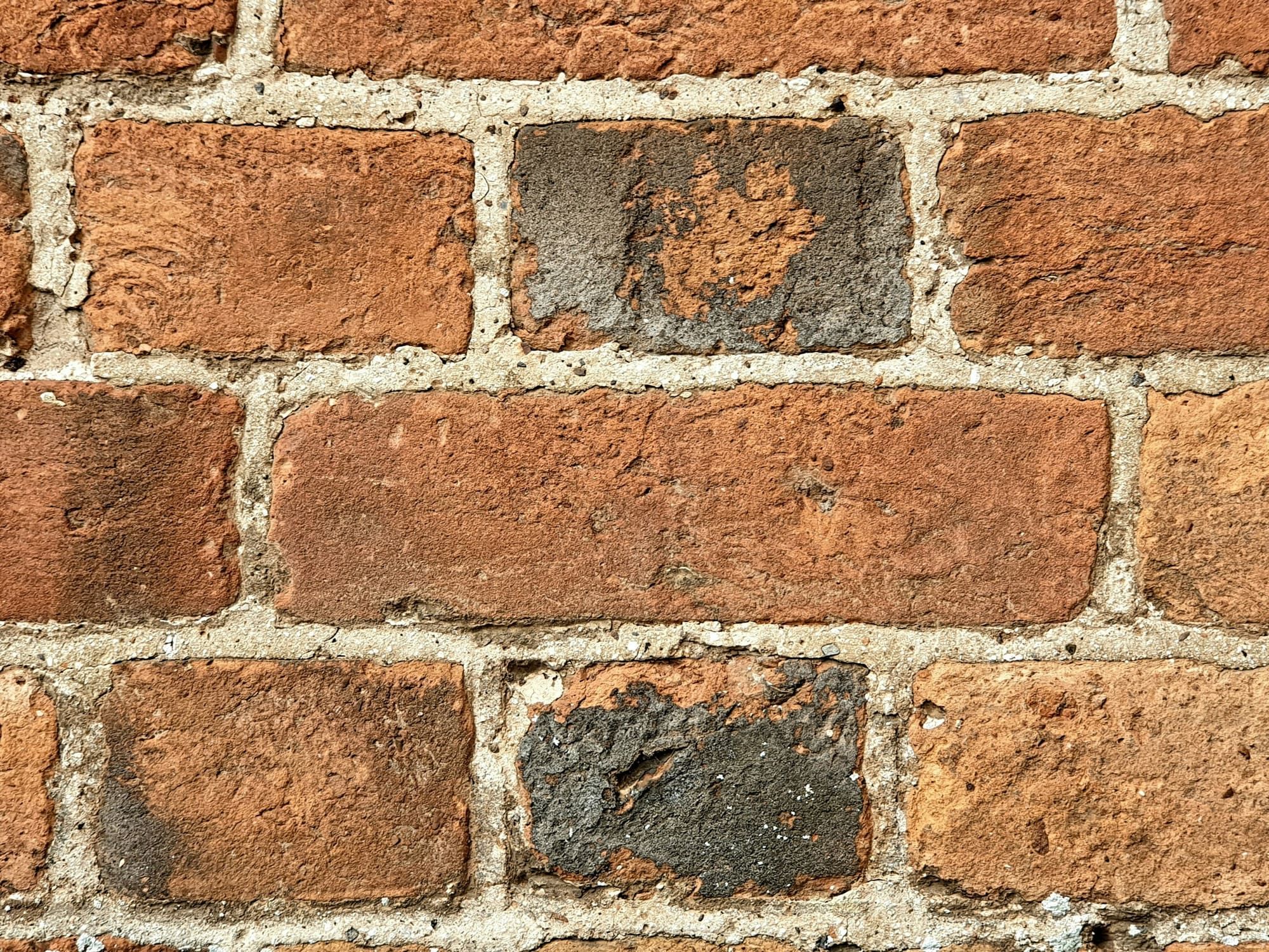
- Joints set back from the brick. Once mortar has weathered back about a quarter inch, each brick has a small ledge that holds water.
- The key test. Drag a house key along a joint. Sound mortar scratches white and stays put. Mortar that is done comes out as sand.
- Sand at the base of the wall. Grit on the sill, the stoop or the basement floor is the joint above it, on the ground.
- Hairline gaps beside the brick. A thin crack where mortar meets brick lets in more water than the wide, obvious ones.
- White staining. Efflorescence is salt left behind by water moving through the wall. It marks where the wall is getting wet.
Look hardest where the wall gets the most water: under windowsills, below downspout elbows, at the top of the wall, at grade, and anywhere on a chimney. A wall rarely needs pointing everywhere at once.
One caution. If the joints failed because a gutter has been dumping on the wall, new mortar will fail the same way. Fix the water first.
Matching Mortar to Your Brick: Why Harder Isn't Better
The most common way to ruin an old brick wall is to repoint it with mortar that is too strong. A wall moves with heat, cold and moisture, and that movement has to go somewhere. With soft mortar it goes into the joints. With mortar harder than the brick it goes into the brick, and the edges and faces break off.
Hard mortar is also dense. Moisture that used to leave through the joints now has to leave through the brick, and in a freeze it takes the face with it. The National Park Service's repointing guidance puts it plainly: new mortar should be softer than the masonry and no harder than the original mortar.
Color and texture
Sand does most of the work. It is the largest ingredient, so matching its color and grain gets the mortar most of the way there. We cure a sample before judging it, because wet mortar tells you nothing about its final color.
| Mortar | Strength | Where it belongs |
|---|---|---|
| Type S | About 1,800 psi | Hard modern brick and block in severe exposure, and work at or below grade. Too strong for most old house brick. |
| Type N | About 750 psi | The general-purpose mortar for sound, modern brick above grade, including most mid-century and newer homes. |
| Type O | About 350 psi | High in lime. Suits softer, older brick and interior or sheltered work. |
| Lime mortar | Softer still | Lime and sand with little or no cement. For soft, early brick and stone that was laid in lime to begin with. |
Strengths are the approximate ASTM figures quoted in National Park Service Preservation Brief 2. The right type depends on the brick, the original mortar and the exposure, and is chosen after testing the wall.
Text a Close-Up of Your Mortar Joints
Take one photo of the whole wall and one from a foot away with a key held against a joint for scale. We can usually tell from that whether the joints are due, whether the brick is still sound, and roughly how much of the wall is involved.
If it has another five winters in it, we'll say so.
Tuckpointing Stone Walls and Foundations
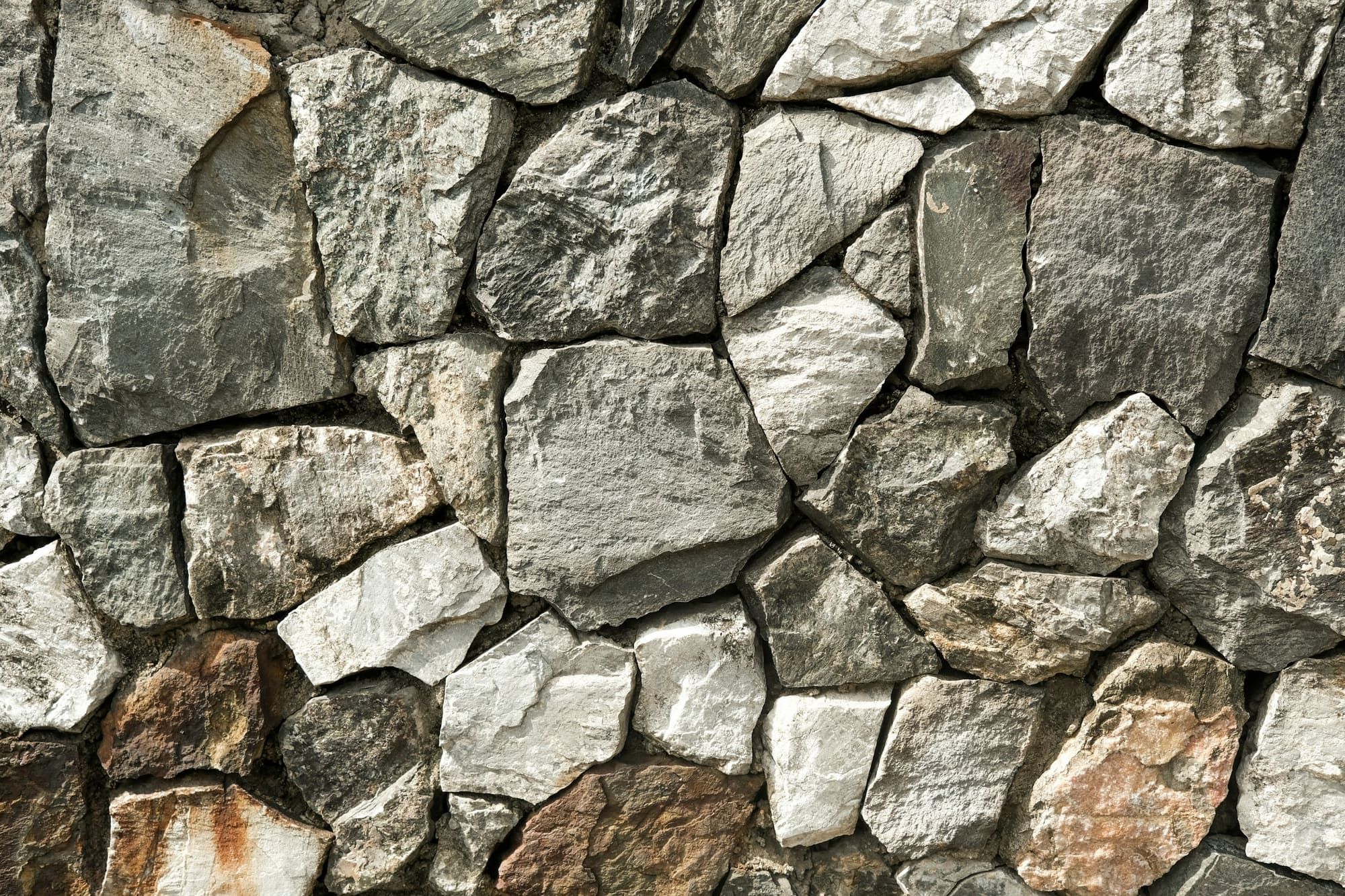
Tuckpointing stone follows the same rule as brick with more of everything. The joints are wider, so the old mortar may have to come out several inches deep, and the new mortar goes back in more layers. Soft stone needs soft mortar. Sandstone is the usual example, and the Mount Simon Sandstone that geologists trace across the Midwest takes its name from an escarpment here in Eau Claire.
Older houses in this area often sit on fieldstone or brick foundations laid in lime mortar. When that mortar washes out, stones loosen and daylight shows in the basement wall. Repointing from the inside, the outside above grade, or both puts the wall back together.
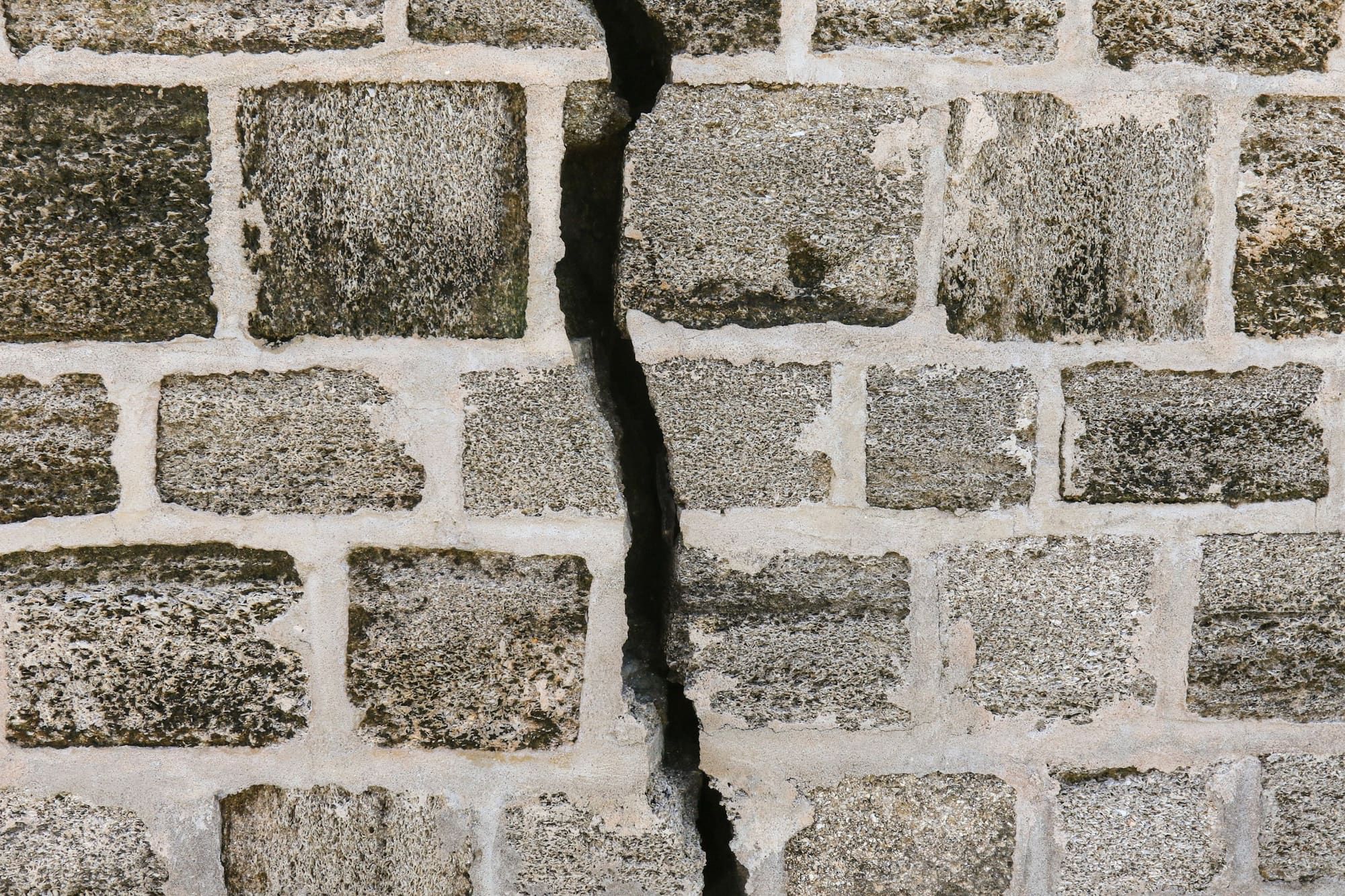
Tuckpointing a foundation has limits. It does not stop water coming through the soil, and it will not hold a wall that is bowing or shifting. Block walls with stepped or horizontal cracks need a look at why they cracked. That is covered on our masonry foundation repair page.
Our Tuckpointing Process
The difference between tuckpointing that lasts and tuckpointing that falls out is almost all in the preparation. Depth is what you are paying for.
-
Test and sample
We scrape the old mortar and the brick to judge how hard each is, then point a small sample area so you can see the color and joint shape after it cures.
-
Cut out the joints
Old mortar comes out to at least twice the width of the joint, about a half inch to an inch on brick. Grinders with dust collection for the long horizontal joints, hand tools at the short vertical ones and on soft brick.
-
Flush and dampen
Dust is rinsed out of the cuts. Joints should be damp, not wet, so the dry brick does not pull the water out of the new mortar.
-
Pack in layers
Deep spots are filled first, in layers about a quarter inch thick, each firm before the next goes in. That is what keeps mortar from shrinking back and cracking.
-
Tool and cure
Joints are tooled to match the originals and brushed clean. New mortar is kept from drying too fast in sun and wind and from freezing.
Tuckpointing Cost in Eau Claire
Tuckpointing is priced by the square foot of wall, and nearly all of it is labor. HomeAdvisor's national guide puts labor at 80 to 90 percent of the bill. These are typical ranges, not quotes. We measure the wall and price it in writing.
| Job | Typical range | Source and notes |
|---|---|---|
| Tuckpointing | $5–$25 per sq ft | HomeAdvisor. It lists plain repointing at $3–$15 per square foot. |
| Typical project | $400–$2,500 | HomeAdvisor normal range, average about $1,450. A 100-square-foot section is listed at $500–$2,500. |
| Chimney tuckpointing | $10–$25 per sq ft | HomeAdvisor. Higher per foot because every joint is reached from a roof or scaffold. |
| Stone foundation | $3,500–$6,500 | HomeAdvisor, for repointing a stone foundation. Small basements are listed at under $1,500. |
Source: HomeAdvisor repointing and tuckpointing cost guide (updated June 2026). National figures, checked October 2026.
Spot repair or the full wall?
Point only what needs it. That is the Park Service's advice and ours. The exception is when a quarter to half of a wall is already failing, or when the work needs scaffolding. At that point doing the whole wall once usually costs less than setting up twice, and the joints end up one color.
What moves the price
Height and access come first. Then joint depth, how soft the brick is (soft brick is cut by hand), how much sample work the mortar match takes, and whether any brick has to be replaced along the way.
Tuckpointing Questions Eau Claire Homeowners Ask
What is tuckpointing?
Tuckpointing is renewing the mortar joints in a brick or stone wall. The worn outer part of each joint is cut out to a set depth and new mortar is packed in and tooled to shed water. The brick stays where it is. It is maintenance, the way repainting wood siding is maintenance, and a wall that gets it on time can outlast the house.
What is the difference between tuckpointing and repointing?
In everyday use around Eau Claire, nothing. Both words describe cutting out failed mortar and replacing it. Strictly speaking, repointing is that repair, and tuckpointing is an older decorative technique of laying a thin raised line of contrasting mortar over flush joints to make them look finer. The National Park Service calls the everyday use of tuckpointing somewhat inaccurate, but it is the word most homeowners and masons here use.
What does tuckpointing cost per square foot?
HomeAdvisor's national guide lists tuckpointing at $5 to $25 per square foot and repointing at $3 to $15, with labor making up 80 to 90 percent of the price. Ground-level walls with sound brick sit at the low end. Chimneys, second stories, deep joints and soft old brick that has to be cut out by hand sit at the high end.
How long does tuckpointing last?
Decades when the joints are cut deep enough and the mortar suits the wall. The National Park Service says a good repointing job should last at least 30 years and preferably 50 to 100. Jobs that fail in five years are almost always skim jobs, where new mortar was smeared a quarter inch deep over old joints, or jobs done with mortar too hard for the brick.
How late in the fall can you tuckpoint in Eau Claire?
It depends on the week. Mortar needs to stay above about 40°F while it cures, and the 1991 to 2020 normals for Eau Claire put the average October low at 36.9°F and the November low at 24.7°F. Early October is usually workable. After that we watch the forecast, and if the nights will not hold, we would sooner schedule you for spring than point a wall that freezes before it cures.
Will the new mortar match the old?
It can get close, and it will not be identical on day one. Sand gives mortar most of its color, so we match the sand and adjust from there, and we point a sample area first. New mortar also looks cleaner than joints that have weathered for decades. On a spot repair you will see the difference at first, and it narrows as the new joints age.
Can I tuckpoint a wall myself?
A few ground-level joints, yes, if you cut them out to a proper depth and use a mortar no harder than what is there. What does not work is squeezing mortar-repair caulk or a skim of premixed mortar over the surface. It traps water behind it and hides the joint from the next person who inspects the wall. Anything on a chimney, above one story, or in soft old brick is worth hiring out.
Get a Free Tuckpointing Estimate
Tell us which wall, how high it goes, and what you're seeing: sandy joints, gaps, white staining, damp plaster inside. We'll measure it, test the mortar and send a written estimate. Tuckpointing is one of the core services we offer as a masonry contractor in Eau Claire.
- We check joint depth and mortar hardness on site
- You see a cured sample before the wall is pointed
- If it can wait a few years, we tell you
Get a Free Estimate
Tell us what's going on with the masonry or stucco. Prefer to talk? Call or text (715) 597-4359.
Thanks, we have your request.
We'll be in touch about your estimate. If it's easier, text photos of the job to (715) 597-4359.
When the Wall Needs More Than Tuckpointing
-
Brick Repair & Restoration
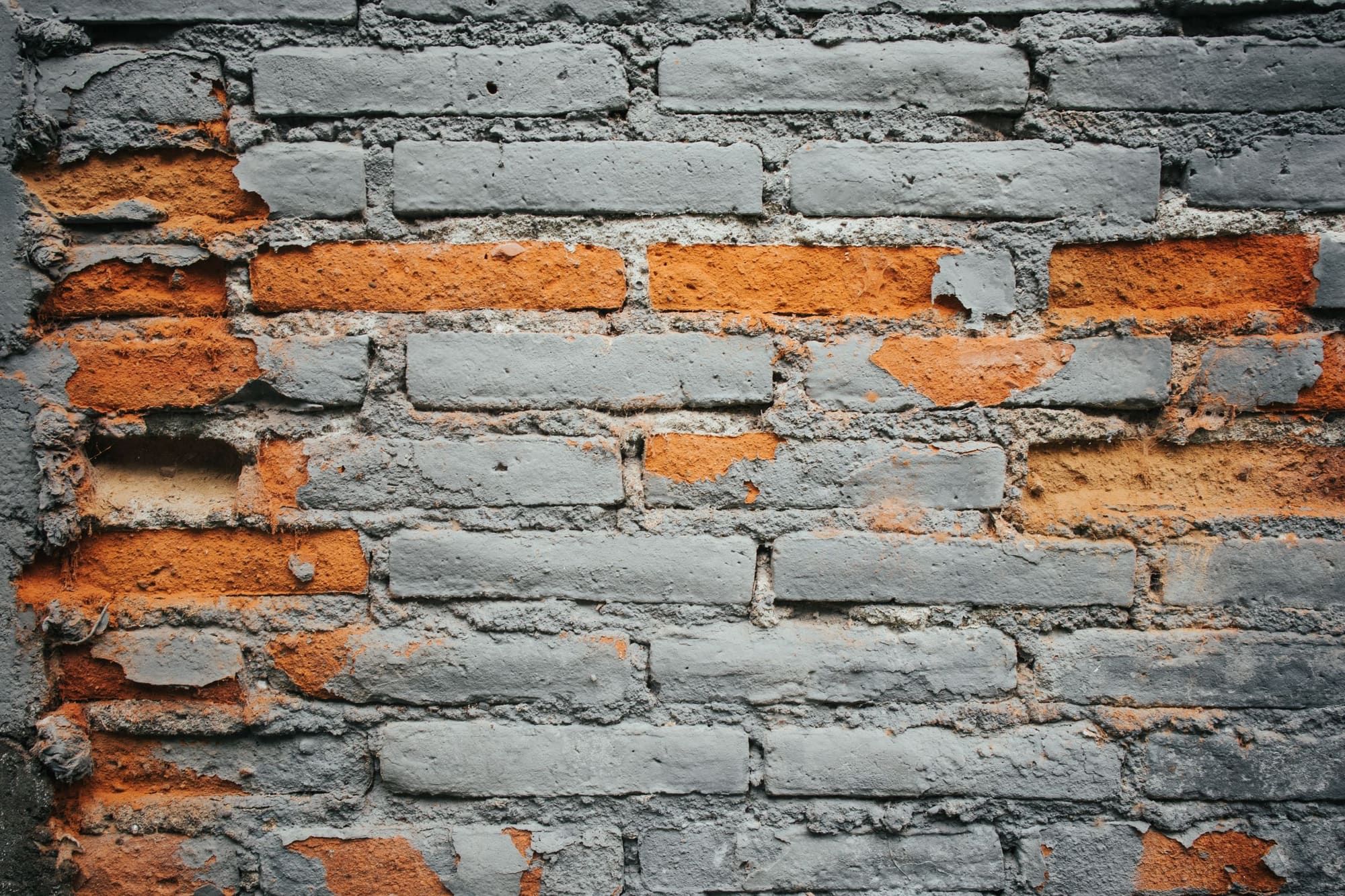
Spalled, cracked and loose brick has to be replaced before the joints around it are pointed.
-
Chimney Repair
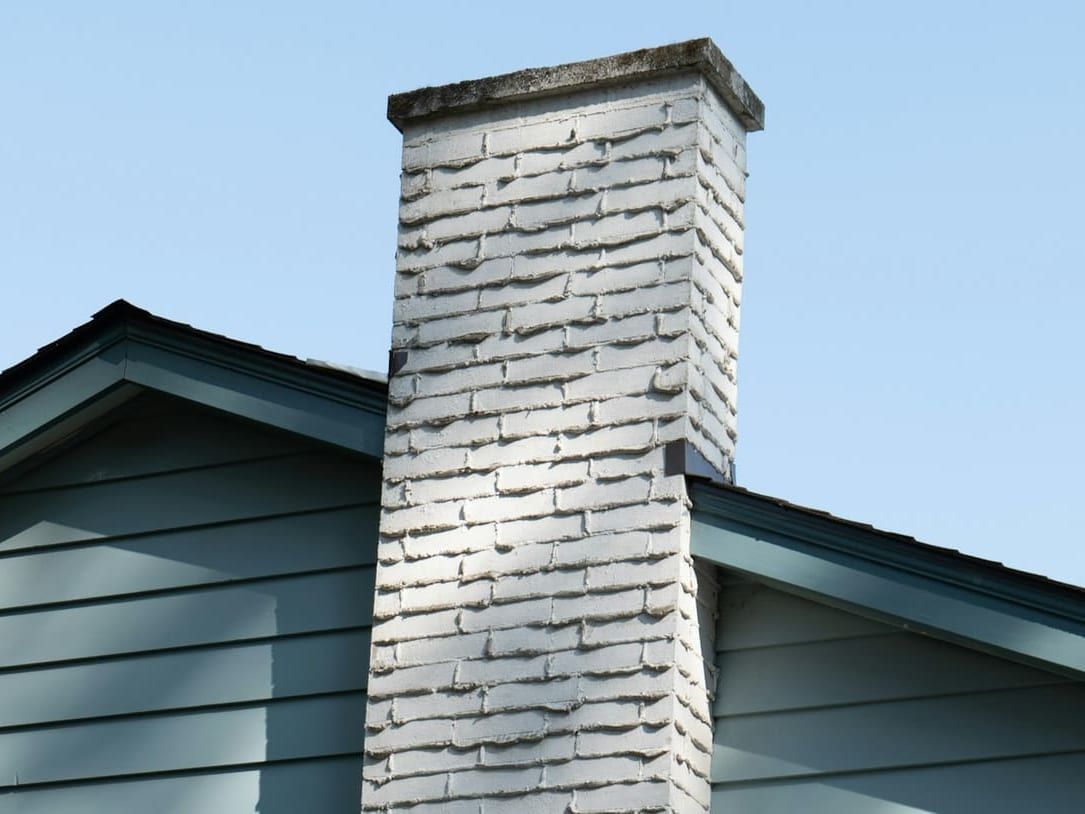
Chimney joints fail first. Tuckpointing there usually goes with a crown or flashing repair.
-
Masonry Foundation Repair
Block, brick and fieldstone foundations: repointing, parging and rebuilt sections.
Sandy Joints? Find Out If They're Due.
Text a close-up or call. Free written tuckpointing estimates for brick and stone in Eau Claire and the Chippewa Valley.